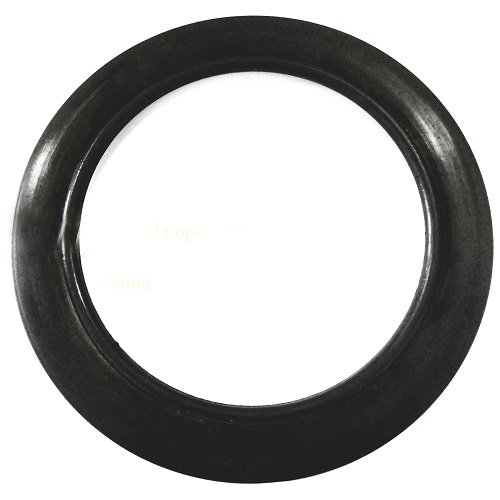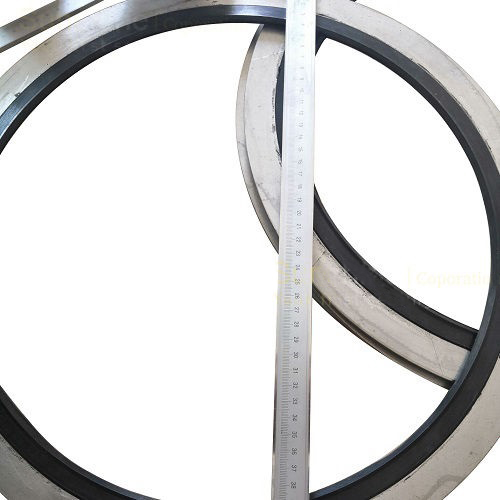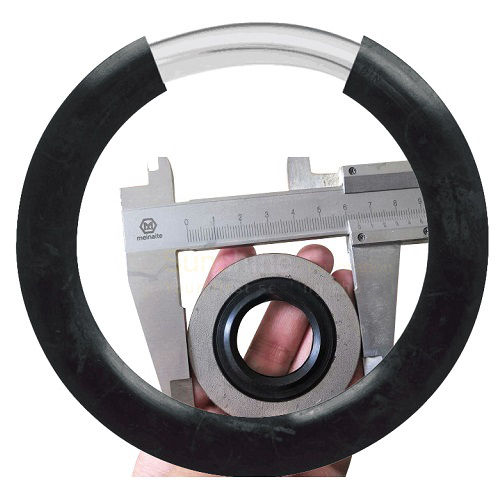
Composite Gaskets
High-Performance Composite Gaskets for Industrial Applications
Composite gaskets are essential sealing components used across various industries, offering superior performance in demanding environments. These multi-layer sealing solutions combine different materials to achieve optimal compression, temperature resistance, and chemical compatibility.
Key Features of Our Composite Gaskets
- Multi-layer construction for enhanced sealing performance
- Excellent compression and recovery properties
- Superior resistance to extreme temperatures (-200°F to 1000°F)
- Chemical resistance against acids, alkalis, and solvents
- Reduced flange loading requirements compared to solid gaskets
Technical Specifications
| Parameter | Value Range |
|---|---|
| Thickness | 0.5mm to 6.35mm (0.020" to 0.250") |
| Temperature Range | -200°F to 1000°F (-129°C to 538°C) |
| Pressure Rating | Up to 3000 psi (207 bar) |
| Compression Set | <15% at rated temperature |
| Available Sizes | Standard sizes from 1/4" to 60" diameter, custom sizes available |
Material Composition
Our Composite Gaskets typically consist of:
- Inner sealing layer (PTFE, graphite, or elastomeric material)
- Reinforcement layer (stainless steel, carbon steel, or other metal alloys)
- Outer protective jacket (when required)
- Adhesive bonding between layers
Frequently Asked Questions About Composite Gaskets
What are the primary advantages of Composite Gaskets over traditional gasket materials?
Composite Gaskets offer several key advantages: they combine the sealing performance of soft materials with the structural integrity of metal reinforcements, provide better creep resistance than pure soft gaskets, offer wider temperature and pressure ranges than single-material gaskets, and typically require lower bolt loads to achieve effective sealing compared to solid metal gaskets.
How do I select the right Composite Gasket for my application?
Selecting the appropriate Composite Gasket requires considering several factors: the chemical compatibility with your process media, the operating temperature range, system pressure requirements, flange surface condition, and bolt loading capacity. Our technical team can help analyze your specific requirements and recommend the optimal material combination and gasket design.
What maintenance considerations are important for Composite Gaskets?
Proper maintenance of Composite Gaskets includes: regular inspection for signs of compression set or material degradation, monitoring for leaks during system startups (when thermal cycling occurs), ensuring proper bolt torque is maintained (especially after thermal cycles), and replacing gaskets whenever the system is opened for maintenance. Always use new gaskets when reassembling flanged connections.
Applications of Composite Gaskets
- Oil and gas pipelines and refineries
- Chemical processing equipment
- Power generation plants
- Pharmaceutical manufacturing
- Water treatment facilities
- HVAC systems
- Food processing equipment
Performance Comparison
| Feature | Composite Gaskets | Rubber Gaskets | Metal Gaskets |
|---|---|---|---|
| Temperature Range | Wide (-200°F to 1000°F) | Limited (-40°F to 250°F) | Very Wide (Cryogenic to 1500°F+) |
| Chemical Resistance | Excellent (material dependent) | Good (compound dependent) | Excellent |
| Bolt Load Required | Moderate | Low | High |
| Sealing Effectiveness | Excellent | Good (low pressure) | Excellent (high pressure) |
| Cost | Moderate | Low | High |
Installation Guidelines for Composite Gaskets
- Clean flange surfaces thoroughly before installation
- Inspect gasket for any damage or defects
- Position gasket concentrically between flanges
- Use proper bolt tightening sequence and torque values
- Re-torque bolts after initial heat cycles if applicable
- Never reuse a compressed gasket
Industry Standards Compliance
Our Composite Gaskets meet or exceed the following standards:
- ASME B16.20 - Metallic Gaskets for Pipe Flanges
- ASTM F104 - Standard Classification System for Nonmetallic Gasket Materials
- API 601 - Metallic Gaskets for Refinery Piping
- EN 1514 - Flanges and their joints