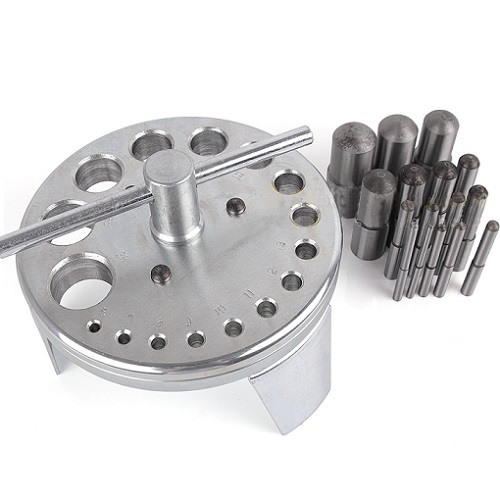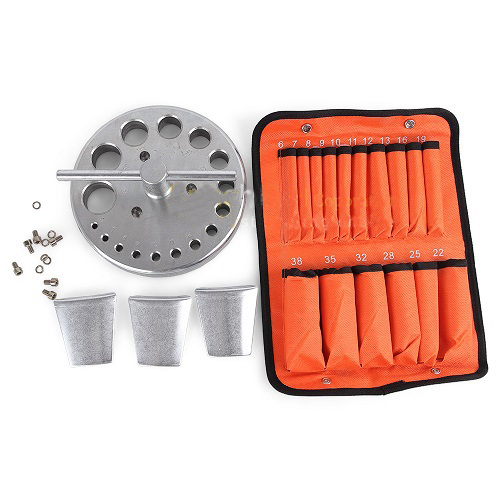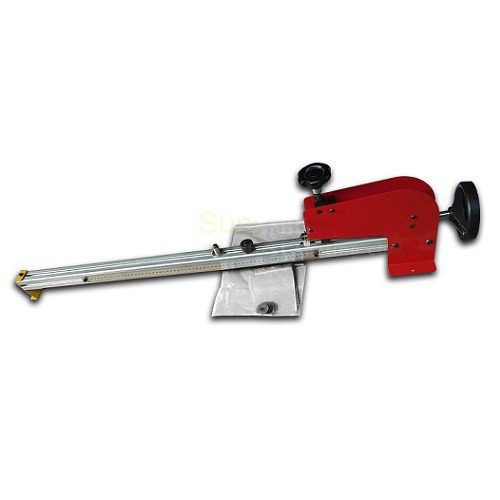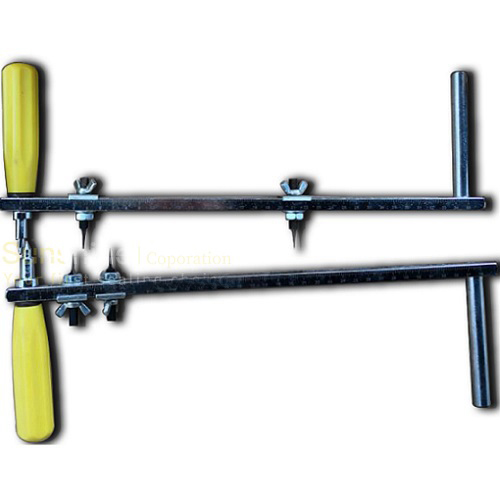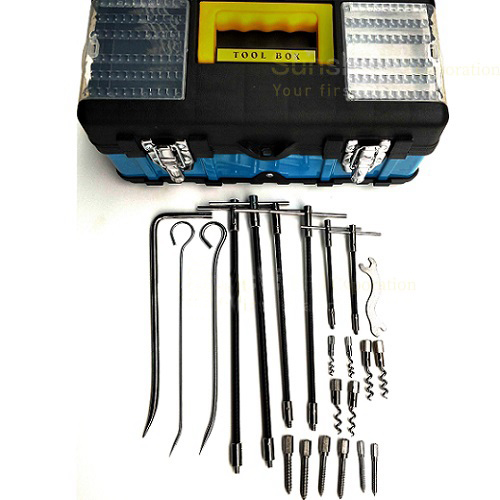
Gasket Cutters
When it comes to precision cutting for industrial applications, Gasket Cutters stand out as essential tools for professionals. These specialized instruments are designed to create perfect gaskets with clean edges and accurate dimensions, saving both time and material costs. In this comprehensive guide, we'll explore everything you need to know about Gasket Cutters, their specifications, and how they can optimize your workflow.
Why Choose Professional Gasket Cutters?
High-quality Gasket Cutters offer numerous advantages over traditional cutting methods:
- Precision cutting for perfect fit every time
- Reduced material waste compared to manual cutting
- Significantly faster production times
- Consistent results across multiple gaskets
- Ergonomic designs for comfortable operation
Technical Specifications of Our Premium Gasket Cutters
| Model | Cutting Range | Material Compatibility | Weight | Blade Type |
|---|---|---|---|---|
| GC-100 | 1/4" to 2" | Rubber, Cork, Neoprene | 1.2 lbs | Tungsten Carbide |
| GC-200 | 1/2" to 4" | Fiberglass, PTFE, Graphite | 1.8 lbs | High-Speed Steel |
| GC-300 | 1" to 6" | Metal-reinforced Composites | 2.5 lbs | Diamond-Coated |
Key Features of Our Gasket Cutters:
- Adjustable cutting diameters for versatile applications
- Non-slip handles for operator safety
- Replaceable blades for extended tool life
- Precision-ground components for accurate cuts
- Corrosion-resistant materials for durability
Gasket Cutters FAQ
Q: How often should I replace the blades on my Gasket Cutter?
A: Blade replacement frequency depends on usage and material being cut. For rubber and cork gaskets, we recommend replacing blades after approximately 500 cuts. For harder materials like fiberglass or metal composites, blades may need replacement after 200-300 cuts. Always inspect the blade for dullness or nicks before each use.
Q: Can Gasket Cutters be used for materials other than traditional gasket materials?
A: While primarily designed for gasket materials, our high-quality Gasket Cutters can effectively cut through various thin materials including certain plastics, leather, and thin foam sheets. However, we recommend consulting the product specifications or contacting our technical team for specific material compatibility questions.
Q: What maintenance do Gasket Cutters require?
A: Regular maintenance should include cleaning after each use to remove material residue, periodic lubrication of moving parts with light machine oil, and proper storage in a dry environment. Always store Gasket Cutters with the blade guard in place to prevent accidental damage to the cutting edge.
Applications for Gasket Cutters
These precision tools find use across multiple industries:
- Automotive repair and manufacturing
- Industrial equipment maintenance
- Plumbing system installations
- Aerospace component fabrication
- HVAC system servicing
Choosing the Right Gasket Cutter
Consider these factors when selecting your Gasket Cutter:
- Material thickness and type you'll be cutting
- Required precision level for your applications
- Frequency of use (professional vs occasional)
- Ergonomic requirements for operator comfort
- Budget considerations versus long-term value
Gasket Cutters vs Traditional Cutting Methods
| Factor | Gasket Cutters | Traditional Methods |
|---|---|---|
| Time per gasket | 30-60 seconds | 5-10 minutes |
| Material waste | Less than 5% | 15-30% |
| Edge quality | Consistently smooth | Variable quality |
| Repeatability | High precision | Human error factor |
Additional Gasket Cutters FAQ
Q: Are there left-handed versions of Gasket Cutters available?
A: Yes, several of our Gasket Cutter models are available in left-handed configurations or feature ambidextrous designs. The GC-100L and GC-200L are specifically designed for left-handed users, featuring reversed blade orientation and adjusted handle ergonomics.
Q: Can Gasket Cutters create non-circular gasket shapes?
A: While primarily designed for circular cuts, some advanced Gasket Cutter models include attachments for oval shapes. For complex gasket profiles, we recommend using our specialty cutting systems that combine multiple tools for varied shapes.
Q: What safety precautions should I take when using Gasket Cutters?
A: Always wear cut-resistant gloves when handling Gasket Cutters, secure your workpiece properly, and make sure the blade is sharp (dull blades require more force and increase accident risk). Never attempt to cut materials beyond the tool's specified capacity, and always store the cutter with safety lock engaged.
Caring for Your Gasket Cutters
Proper maintenance ensures longevity and optimal performance of your Gasket Cutters:
- Clean after each use with appropriate solvents
- Store in protective cases when not in use
- Regularly check and tighten all fasteners
- Lubricate moving parts monthly with light oil
- Inspect blades for wear or damage weekly
Professional Tips for Using Gasket Cutters
Maximize your results with these expert techniques:
- Mark your material clearly before cutting
- Apply steady, even pressure during cuts
- Rotate the cutter rather than pushing through material
- Use cutting lubricant for tough materials
- Keep spare blades on hand for quick replacement