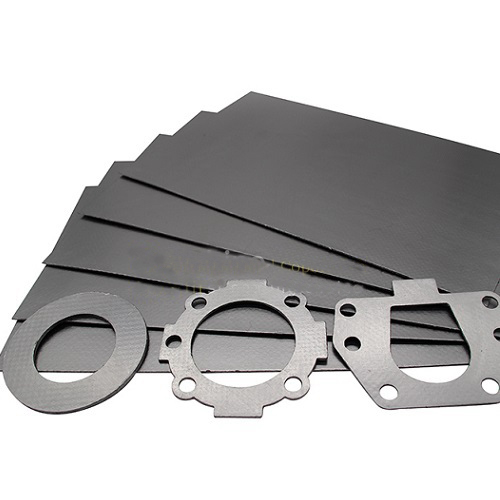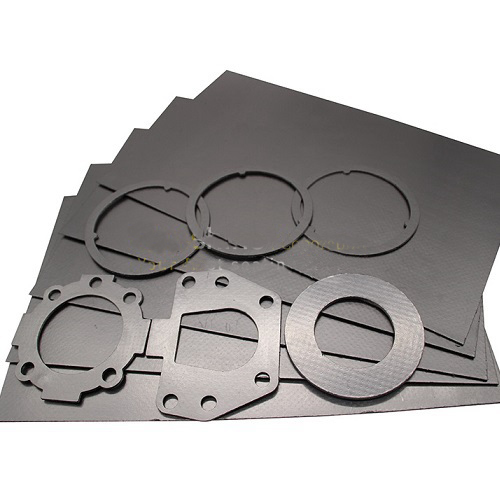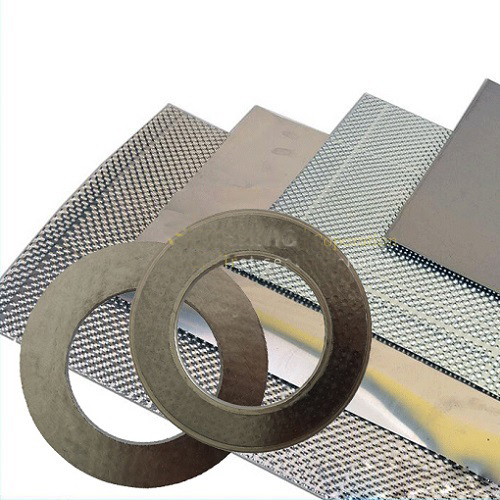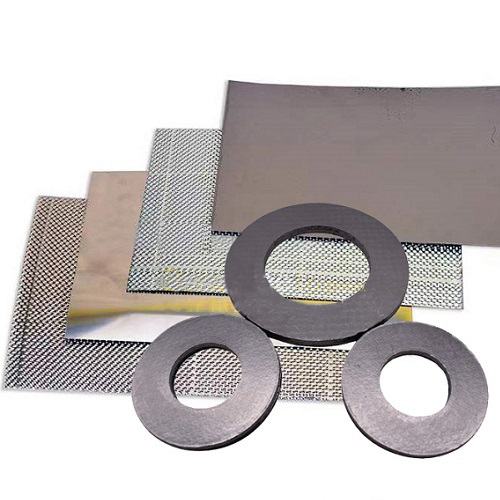
Graphite Gaskets
Graphite gaskets are essential sealing components widely used in industrial applications where high temperature and pressure resistance is required. Our premium quality graphite gaskets deliver exceptional performance and durability in demanding environments.
Key Features of Our Graphite Gaskets
- Excellent thermal conductivity
- Superior chemical resistance
- High compression strength
- Temperature resistance up to 3000°F (1650°C)
- Outstanding creep resistance
- Long service life
Technical Specifications
| Parameter | Value | Testing Standard |
|---|---|---|
| Density | 1.75-1.90 g/cm³ | ASTM D3800 |
| Compressive Strength | 35-70 MPa | ASTM D695 |
| Thermal Conductivity | 80-120 W/m·K | ASTM E1461 |
| Maximum Temperature | 1650°C (3000°F) | ASTM D5379 |
| Chemical Compatibility | Resistant to most acids and alkalis | ASTM D543 |
Graphite Gaskets FAQ
Q: What makes graphite gaskets superior to other sealing materials?
A: Graphite gaskets offer several advantages including exceptional thermal stability, chemical resistance, and self-lubricating properties. Unlike rubber or fiber gaskets, they maintain their sealing capability at extreme temperatures and don't become brittle over time.
Q: How do I select the right thickness for my graphite gasket application?
A: The ideal thickness depends on several factors including flange surface condition, pressure requirements, and thermal cycling. Standard thicknesses range from 0.5mm to 6mm, with 1.5mm being most common for typical industrial applications. For high-pressure systems, thicker gaskets (3-6mm) are recommended.
Q: Can graphite gaskets be used in food processing applications?
A: Yes, our food-grade graphite gaskets are FDA compliant and specifically designed for food processing applications. They are free from contaminants and meet all relevant sanitary standards.
Available Graphite Gasket Types
| Type | Description | Common Applications |
|---|---|---|
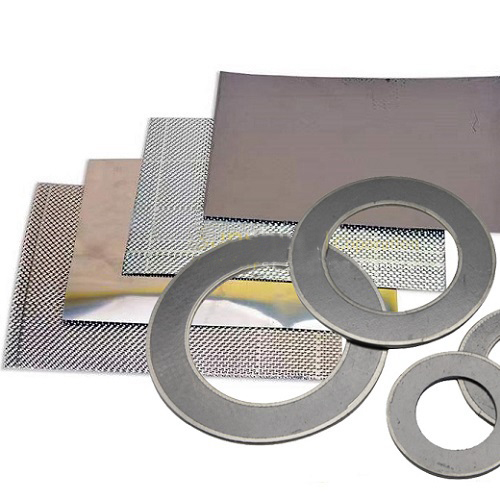
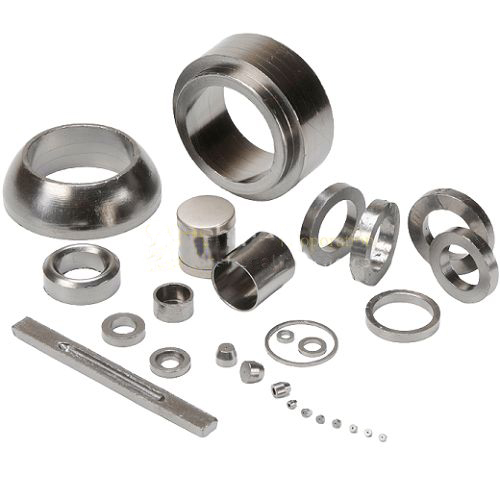
| Flexible Graphite Gaskets | Pure graphite with no filler materials | High temperature flanges, heat exchangers |
| Reinforced Graphite Gaskets | Graphite with metal or fiber inserts | High pressure systems, oil & gas |
| Spiral Wound Gaskets | Combination of graphite and metal windings | Critical piping systems, power plants |
| Graphite Sheet Gaskets | Pre-cut sheets for custom applications | Irregular flange surfaces, maintenance |
Proper Installation of Graphite Gaskets
- Clean the flange surfaces thoroughly
- Inspect the gasket for any damage
- Place the gasket carefully between flanges
- Apply even torque during bolt tightening
- Follow the recommended torque sequence
- Perform a final inspection after installation
More Graphite Gaskets Questions
Q: What maintenance is required for graphite gaskets?
A: Graphite gaskets require minimal maintenance. Regular visual inspections for signs of oxidation or compression loss are recommended. In high-temperature applications, check for any degradation during scheduled maintenance periods.
Q: How long do graphite gaskets typically last?
A: Service life varies depending on operating conditions, but properly installed graphite gaskets in standard applications typically last 3-5 years. In extreme conditions, replacement may be needed every 1-2 years.
Q: Can graphite gaskets be reused?
A: We do not recommend reusing graphite gaskets as they compress to form a custom seal during initial installation. Reuse may compromise the sealing integrity and potentially lead to leaks.
Common Industry Applications
- Petrochemical processing
- Power generation plants
- Refineries
- Chemical manufacturing
- Pharmaceutical production
- Food processing equipment
- HVAC systems
- Marine applications
Graphite Gaskets Technical Questions
Q: What is the temperature range for graphite gaskets?
A: Our graphite gaskets operate effectively from cryogenic temperatures (-200°C/-328°F) up to 1650°C (3000°F) in inert atmospheres. In oxidizing environments, the maximum continuous temperature is 450°C (842°F).
Q: How does graphite compare to PTFE for gasket applications?
A: While PTFE has excellent chemical resistance, graphite outperforms it in thermal stability and creep resistance. Graphite maintains its sealing properties at much higher temperatures and doesn't undergo the cold flow characteristics of PTFE.
Q: Are there special handling requirements for graphite gaskets?
A: Handle graphite gaskets with clean hands or gloves to prevent contamination. Store them flat in a dry environment away from direct sunlight. Avoid folding or creasing the material as this may cause weak spots.