PTFE (Polytetrafluoroethylene) Sheets
High-Quality PTFE (Polytetrafluoroethylene) Sheets for Industrial Applications
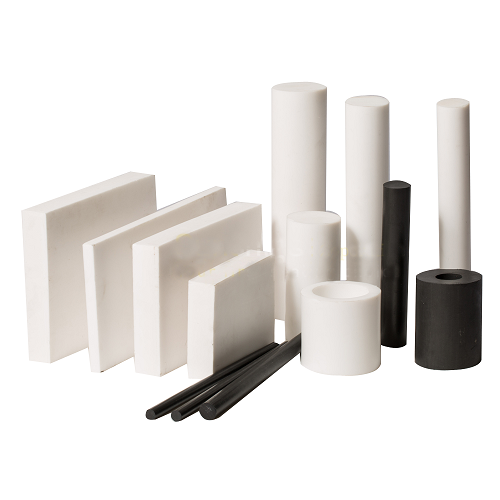
PTFE (Polytetrafluoroethylene) Sheets are versatile engineering materials known for their exceptional chemical resistance, thermal stability, and low friction properties. Our premium-grade PTFE Sheets meet the demanding requirements of various industries including chemical processing, food production, pharmaceuticals, and electrical insulation.
Key Features of Our PTFE (Polytetrafluoroethylene) Sheets:
- Excellent chemical resistance to virtually all industrial chemicals
- Operating temperature range from -200°C to +260°C (-328°F to +500°F)
- Non-stick surface with the lowest coefficient of friction of any solid material
- Outstanding electrical insulation properties
- FDA compliant grades available for food contact applications
- UV resistant and weatherproof for outdoor applications
Standard PTFE (Polytetrafluoroethylene) Sheets Specifications
| Parameter | Value | Unit |
|---|---|---|
| Density | 2.15 - 2.20 | g/cm³ |
| Tensile Strength | 20 - 35 | MPa |
| Elongation at Break | 250 - 350 | % |
| Melting Point | 327 | °C |
| Thermal Conductivity | 0.25 | W/m·K |
| Dielectric Strength | 40 - 60 | kV/mm |
Available Sizes for PTFE (Polytetrafluoroethylene) Sheets
| Thickness | Width | Length | Color |
|---|---|---|---|
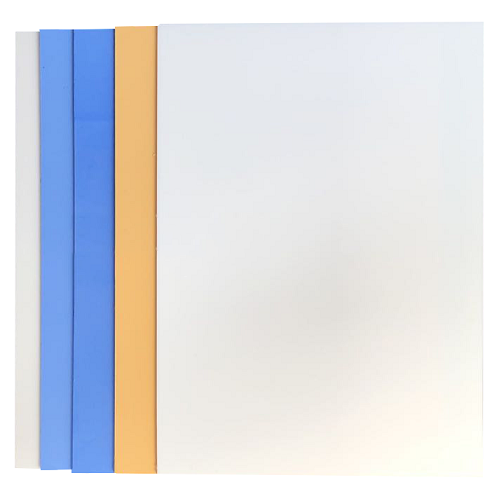
| 0.5mm - 50mm | 500mm - 2000mm | 1000mm - 3000mm | White, Natural |
| Custom thickness available | Custom width available | Custom length available | Custom colors on request |
Frequently Asked Questions About PTFE (Polytetrafluoroethylene) Sheets
What are the maximum and minimum operating temperatures for PTFE (Polytetrafluoroethylene) Sheets?
PTFE (Polytetrafluoroethylene) Sheets can withstand continuous operation from -200°C (-328°F) to +260°C (+500°F). They maintain their mechanical properties across this wide temperature range, making them suitable for cryogenic applications as well as high-temperature environments. Short-term exposure to temperatures up to 300°C (572°F) is possible, but prolonged exposure above 260°C may cause gradual degradation.
How does PTFE (Polytetrafluoroethylene) Sheets compare to other plastic sheets for chemical resistance?
PTFE (Polytetrafluoroethylene) Sheets offer superior chemical resistance compared to most other plastic materials. They are virtually inert to all industrial chemicals, solvents, and acids, including concentrated sulfuric and nitric acids. Unlike many plastics that degrade when exposed to harsh chemicals, PTFE maintains its integrity even in aggressive environments. The only known chemicals that can affect PTFE are molten alkali metals and certain fluorine compounds under extreme conditions.
Can PTFE (Polytetrafluoroethylene) Sheets be machined or fabricated?
Yes, PTFE (Polytetrafluoroethylene) Sheets can be easily machined using standard woodworking or metalworking tools. They can be cut, drilled, milled, turned, and threaded to create custom components. However, due to PTFE's unique properties, some special considerations are needed: tools should be kept sharp, cutting speeds should be moderate, and proper clamping is essential as the material is somewhat elastic. For best results, consult with our technical team about specific machining requirements for your application.
Special Grades of PTFE (Polytetrafluoroethylene) Sheets
We offer various specialized grades of PTFE Sheets to meet specific application requirements:
- Virgin Grade: Highest purity for critical applications
- Glass Filled (15-25%): Improved wear resistance and compressive strength
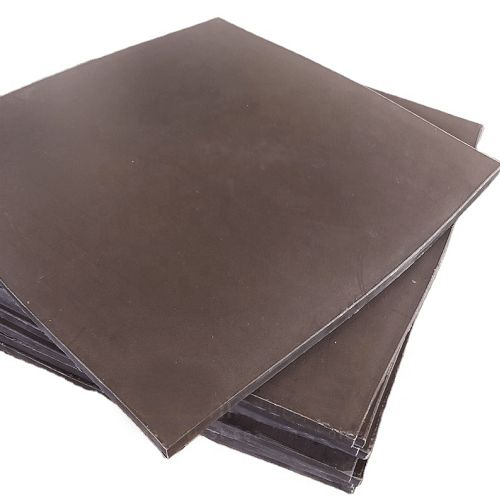
- Carbon Filled: Enhanced electrical conductivity
- Bronze Filled: Better thermal conductivity
- FDA Compliant: For food processing and pharmaceutical applications
Applications of PTFE (Polytetrafluoroethylene) Sheets
Our PTFE Sheets are used in numerous industrial applications including:
- Chemical processing equipment linings
- High-performance gaskets and seals
- Non-stick surfaces for food processing
- Electrical insulators in high-voltage applications
- Bearings and wear pads in machinery
- Laboratory equipment components
- Medical device components