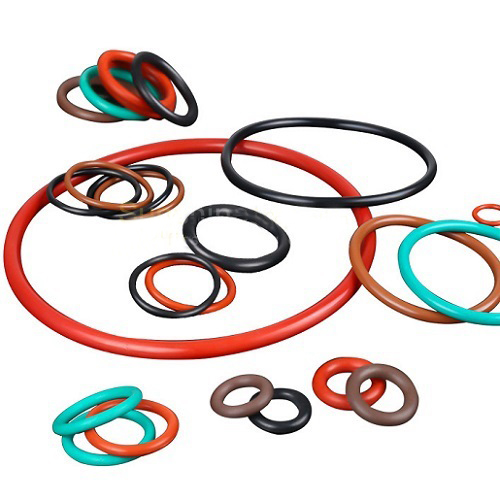
U-Rings, Y-Rings & O-Rings
When it comes to sealing solutions, U-Rings, Y-Rings & O-Rings are among the most reliable and widely used components across various industries. These rings are designed to prevent leaks, resist pressure, and ensure smooth operation in mechanical systems. Below, we provide a detailed breakdown of these essential sealing products.
Product Specifications
Material Options
- Nitrile Rubber (NBR) - Excellent resistance to oils, fuels, and hydraulic fluids.
- Fluorocarbon (FKM/Viton) - High-temperature resistance and chemical compatibility.
- Ethylene Propylene (EPDM) - Superior performance in water and steam applications.
- Silicone - Ideal for food-grade and medical applications.
- Polyurethane (PU) - High abrasion resistance and durability.
Size Ranges
| Type | Inner Diameter (mm) | Outer Diameter (mm) | Cross-Section (mm) |
|---|---|---|---|
| U-Rings | 5 - 500 | 10 - 550 | 2 - 10 |
| Y-Rings | 5 - 300 | 12 - 320 | 3 - 8 |
| O-Rings | 2 - 1000 | 4 - 1050 | 1 - 20 |
Pressure and Temperature Ratings
| Type | Max Pressure (Bar) | Temperature Range (°C) |
|---|---|---|
| U-Rings | 300 | -40 to +150 |
| Y-Rings | 250 | -30 to +120 |
| O-Rings | 200 | -50 to +200 |
FAQ: U-Rings, Y-Rings & O-Rings
1. What is the primary difference between U-Rings, Y-Rings & O-Rings?
U-Rings feature a U-shaped profile, making them ideal for dynamic sealing applications. Y-Rings have a tapered design for enhanced sealing under pressure. O-Rings are circular and versatile, suitable for both static and low-pressure dynamic applications.
2. How do I choose the right material for U-Rings, Y-Rings & O-Rings?
Select the material based on your application's environment. Nitrile (NBR) works well with oils, while FKM is best for high temperatures. EPDM is recommended for water-based systems, and silicone is ideal for food and medical uses.
3. Can U-Rings, Y-Rings & O-Rings be customized?
Yes, these sealing rings can be customized in size, material, and hardness to meet specific operational requirements. Contact our team for tailored solutions.
Applications
U-Rings, Y-Rings & O-Rings find applications in industries such as:
- Automotive - Engine seals, hydraulic systems.
- Aerospace - Fuel systems, landing gear.
- Oil & Gas - Pipeline seals, valves.
- Medical - Sterile equipment seals.
- Food Processing - Sanitary sealing solutions.
Advantages of U-Rings, Y-Rings & O-Rings
These sealing rings offer:
- High resistance to wear and tear.
- Excellent sealing performance under varying pressures.
- Compatibility with a wide range of fluids and gases.
- Long-lasting durability in extreme conditions.
FAQ Continued
4. What is the shelf life of U-Rings, Y-Rings & O-Rings?
Typically, these rings last up to 10 years when stored properly in cool, dry conditions away from direct sunlight and ozone sources.
5. How do I install U-Rings, Y-Rings & O-Rings correctly?
Ensure the sealing groove is clean and free from debris. Lubricate the ring lightly with a compatible lubricant. Avoid twisting or overstretching during installation.
6. What causes U-Rings, Y-Rings & O-Rings to fail prematurely?
Premature failure can result from incorrect sizing, excessive pressure, chemical incompatibility, improper installation, or exposure to extreme temperatures.
Conclusion
U-Rings, Y-Rings & O-Rings are indispensable in modern engineering, offering reliable sealing solutions for diverse applications. Understanding their specifications, materials, and proper usage ensures optimal performance and longevity. For further assistance, consult our technical team or refer to our detailed product guides.