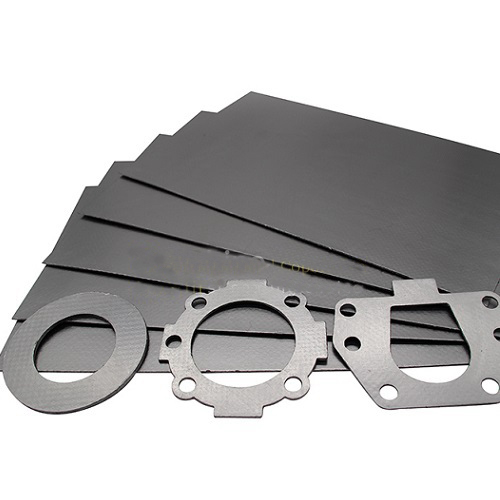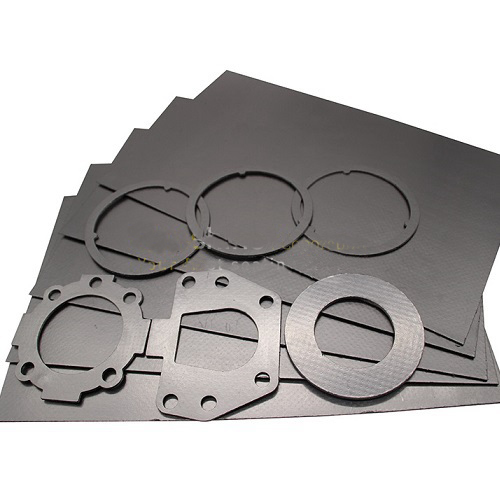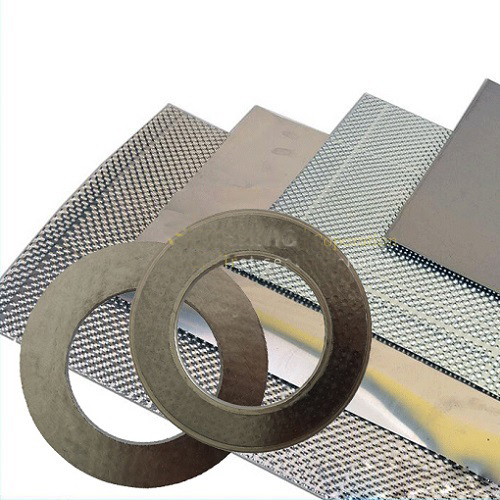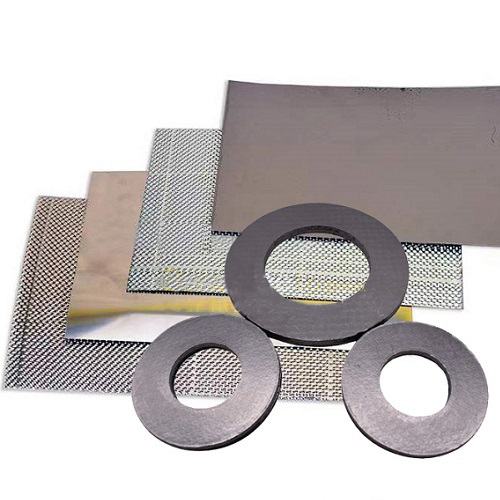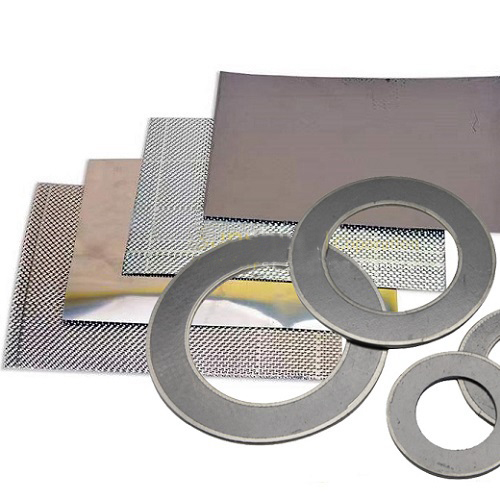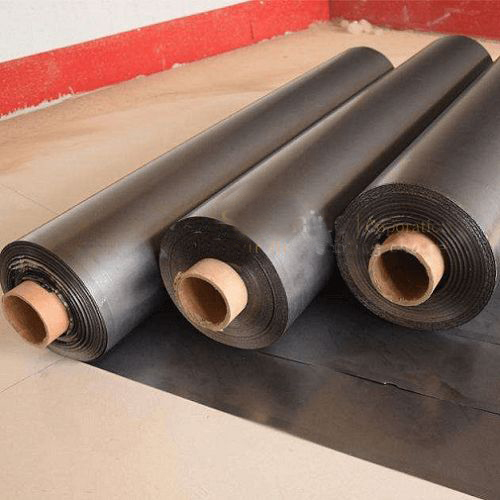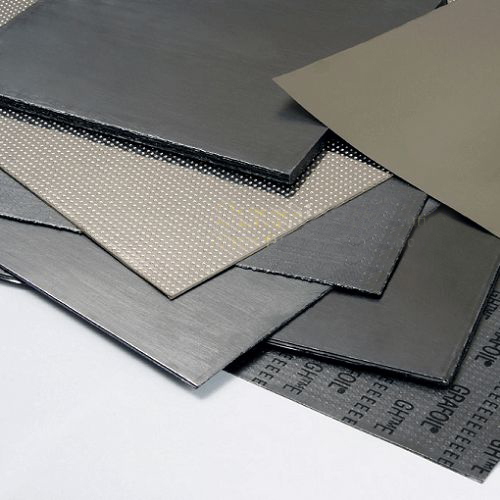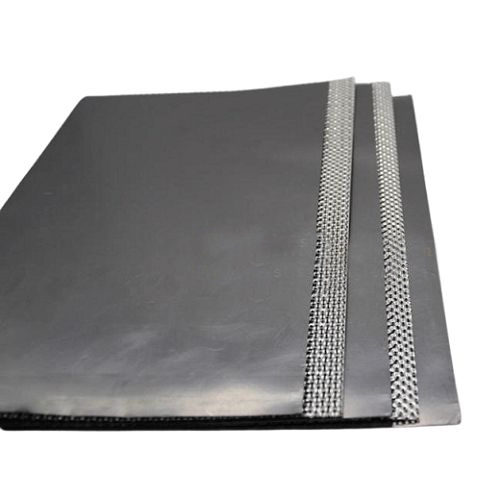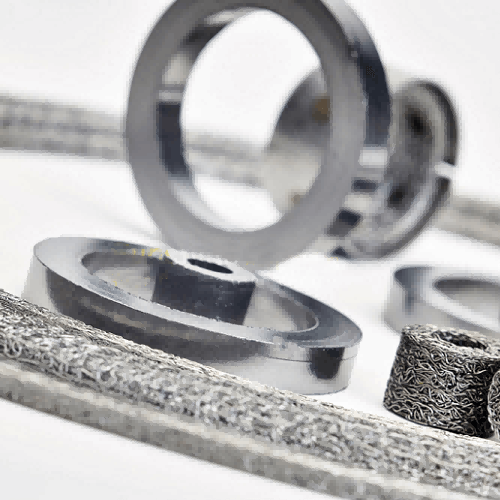
Graphite
Graphite: The Ultimate Solution for High-Performance Applications
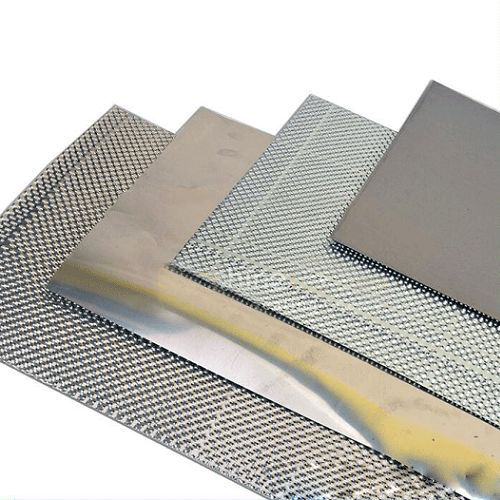
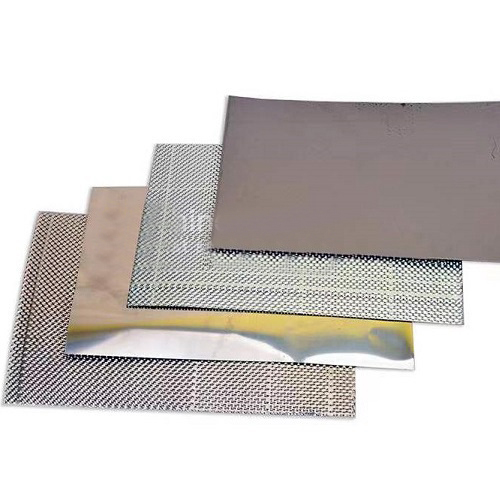
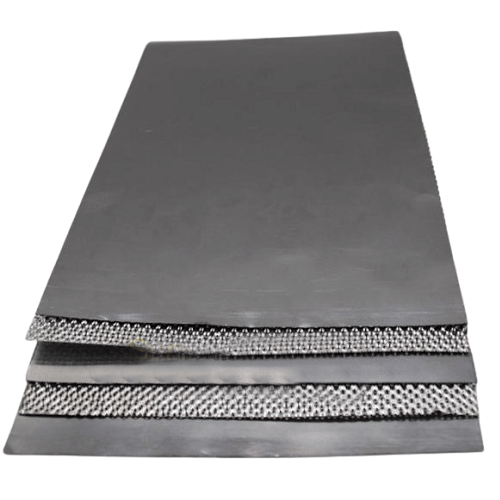
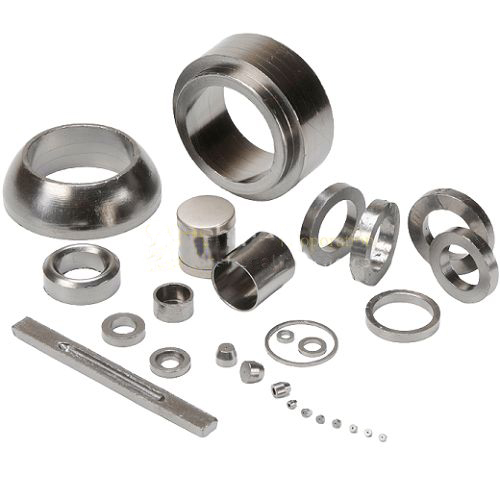
Graphite is a revolutionary material that has transformed industries requiring superior thermal conductivity, electrical conductivity, and mechanical strength. With applications ranging from aerospace to energy storage, Graphite stands as a key material for modern technological advancements.
Product Specifications
- Material Type: Synthetic Graphite
- Purity Level: 99.9% Carbon Content
- Density: 1.7-2.2 g/cm³
- Thermal Conductivity: 100-400 W/mK
- Electrical Resistivity: 8-12 μΩm
- Compressive Strength: 70-120 MPa
- Maximum Operating Temperature: 3000°C (in inert atmosphere)
- Ash Content: Less than 0.2%
Graphite FAQ Section 1
Q: What makes Graphite superior to other carbon materials?
A: Graphite offers exceptional thermal stability, high thermal and electrical conductivity, and excellent mechanical strength. Unlike amorphous carbon materials, Graphite has a layered crystalline structure that provides unique anisotropic properties, making it ideal for specialized applications requiring directional properties.
Technical Comparison Table
| Property | Graphite | Carbon Fiber | Steel |
|---|---|---|---|
| Thermal Conductivity (W/mK) | 100-400 | 5-50 | 15-50 |
| Electrical Resistivity (μΩm) | 8-12 | 10-50 | 100 |
| Density (g/cm³) | 1.7-2.2 | 1.6-2.0 | 7.8 |
| Maximum Service Temperature (°C) | 3000 | 500 | 600 |
Applications of Graphite
- Electrodes for electric arc furnaces
- Nuclear reactor components
- Battery anodes (Li-ion batteries)
- High-temperature crucibles
- Thermal management systems
- Fuel cell components
- Semiconductor manufacturing
Graphite FAQ Section 2
Q: How does Graphite perform in high-temperature environments?
A: Graphite exhibits exceptional performance at high temperatures, maintaining structural integrity up to 3000°C in inert atmospheres. Unlike metals that soften or melt, Graphite actually increases in strength up to about 2500°C. Its thermal expansion coefficient is low and predictable, making it ideal for precision applications in extreme conditions.
Grades of Graphite Available
| Grade | Density (g/cm³) | Flexural Strength (MPa) | Applications |
|---|---|---|---|
| Standard Grade | 1.70-1.80 | 25-35 | General industrial applications |
| Medium Grade | 1.75-1.85 | 35-50 | Mechanical seals, bearings |
| High Density | 1.80-1.95 | 50-70 | Semiconductor, aerospace |
| Ultra High Density | 1.95-2.20 | 70-120 | EDM, nuclear applications |
Graphite FAQ Section 3
Q: What are the maintenance requirements for Graphite components?
A: Graphite requires minimal maintenance compared to metal components. In oxidizing environments above 400°C, protective coatings may be needed to prevent oxidation. Regular cleaning with compressed air or alcohol is typically sufficient for most applications. Graphite's self-lubricating properties eliminate the need for additional lubrication in mechanical applications, reducing maintenance needs significantly.
Environmental Benefits of Graphite
- 100% recyclable material
- Reduces energy consumption in high-temperature processes
- Longer service life than metal alternatives
- No toxic emissions during use
- Lightweight nature reduces transportation energy costs
Why Choose Our Graphite Products?
- Manufactured using advanced purification processes
- Consistent quality with strict quality control measures
- Custom formulations available for specific applications
- Global supply chain with reliable delivery
- Technical support from material science experts