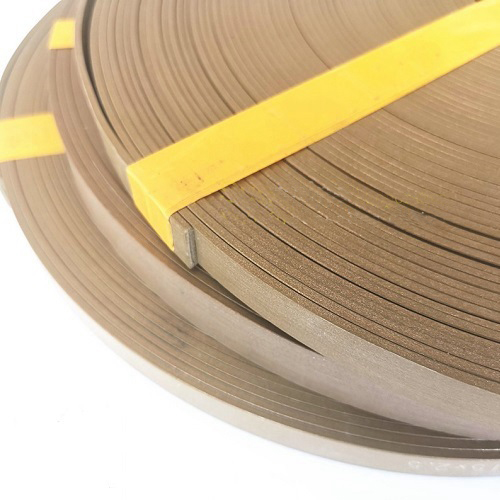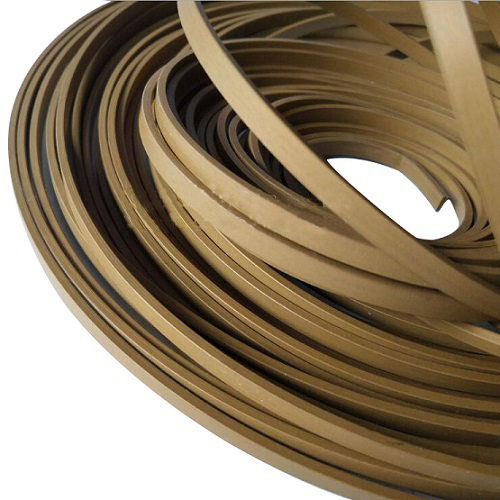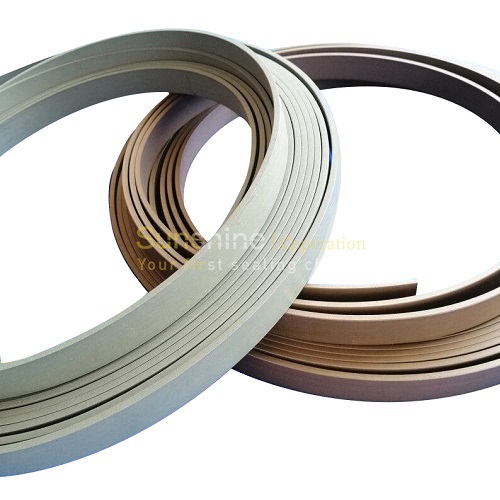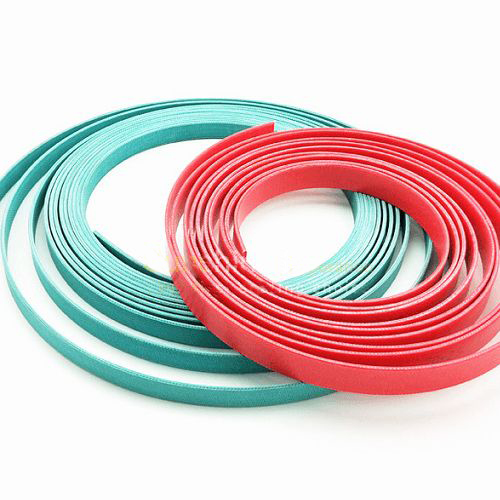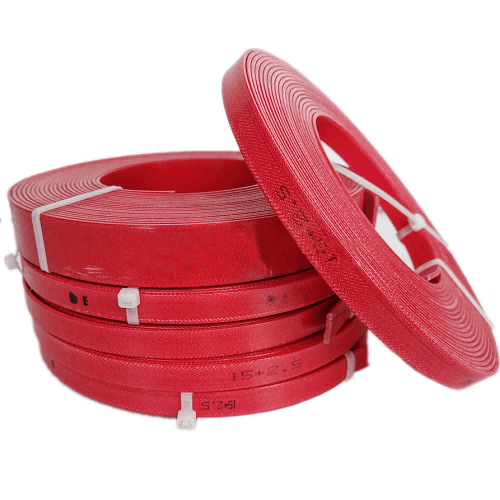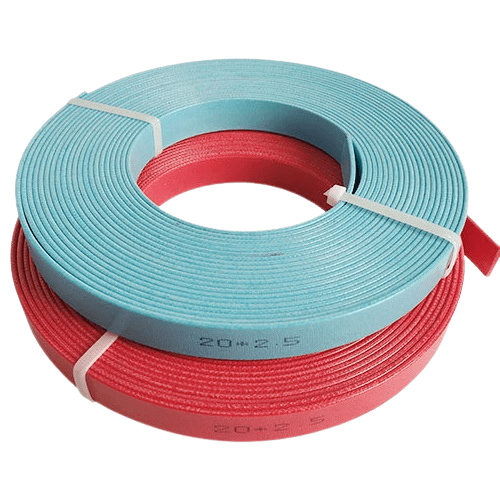
Rod & Piston Seals
Premium Rod & Piston Seals for Industrial Applications
Our high-performance Rod & Piston Seals are engineered to deliver exceptional durability and reliability in demanding hydraulic and pneumatic systems. Designed with precision materials and advanced manufacturing techniques, these seals provide superior leak prevention and extended service life.
Key Features of Our Rod & Piston Seals
- Manufactured from premium polyurethane compounds
- Temperature range: -40°F to +250°F (-40°C to +121°C)
- Pressure rating up to 5,000 PSI (345 bar)
- Excellent resistance to hydraulic fluids and lubricants
- Low friction coefficient for improved efficiency
- Available in standard and custom sizes
Technical Specifications
| Parameter | Value |
|---|---|
| Material Hardness (Shore A) | 90-95 |
| Tensile Strength | 6,000 PSI (41 MPa) min |
| Elongation at Break | 400% min |
| Compression Set | 20% max (70 hr at 212°F) |
| Dynamic Coefficient of Friction | 0.05-0.15 |
Rod & Piston Seals - Frequently Asked Questions
Q: What are the primary applications for Rod & Piston Seals?
A: Rod & Piston Seals are essential components in hydraulic cylinders, pneumatic actuators, and fluid power systems across various industries including construction equipment, manufacturing machinery, agricultural implements, and automotive applications. They create a pressure-tight barrier between moving components while allowing smooth operation under high pressure conditions.
Q: How often should Rod & Piston Seals be replaced?
A: The replacement interval for Rod & Piston Seals depends on operating conditions, including pressure, temperature, and the type of hydraulic fluid used. Under normal operating conditions, we recommend inspecting seals annually and replacing them every 3-5 years or whenever signs of wear, leakage, or reduced performance are observed.
Q: Can Rod & Piston Seals be customized for specific applications?
A: Yes, we offer customized Rod & Piston Seals tailored to unique requirements. Our engineering team can modify material composition, dimensions, and design features to accommodate special operating conditions, extreme temperatures, aggressive media, or specific performance criteria. Custom seals typically require additional lead time for design verification and tooling.
Installation Guidelines
- Clean all sealing surfaces thoroughly before installation
- Lubricate seals with compatible hydraulic fluid or grease
- Use proper installation tools to prevent damage
- Ensure correct orientation of asymmetric seal designs
- Check for proper fit and alignment before final assembly
Material Comparison
| Material | Advantages | Limitations |
|---|---|---|
| Polyurethane | High abrasion resistance, good mechanical properties | Limited high temperature performance |
| Nitrile (NBR) | Good oil resistance, cost-effective | Poor performance in high temperature |
| Fluorocarbon (FKM) | Excellent chemical and temperature resistance | Higher cost, limited flexibility |
For optimal performance of your hydraulic systems, choosing the right Rod & Piston Seals is crucial. Our products meet or exceed industry standards including ISO 3601, DIN 3770, and ASTM D2000 specifications. Contact our technical team for assistance in selecting the perfect seals for your specific application requirements.