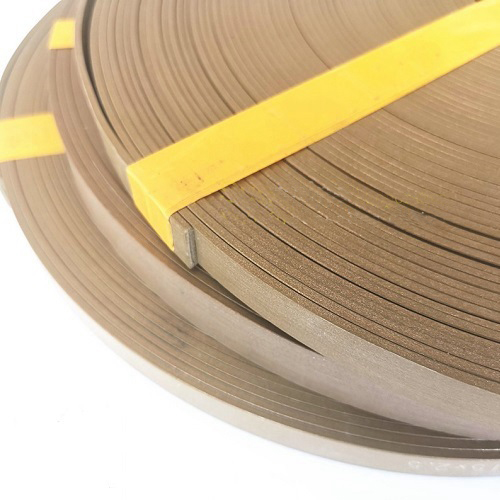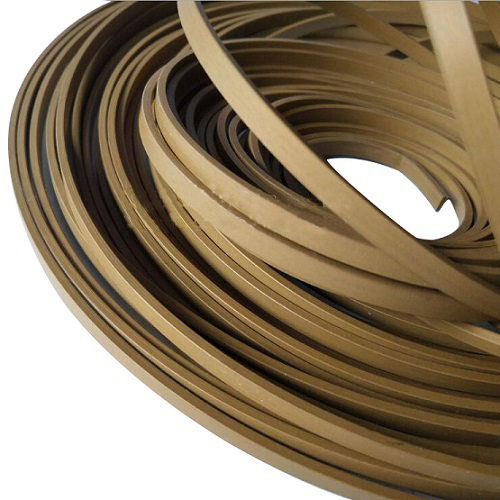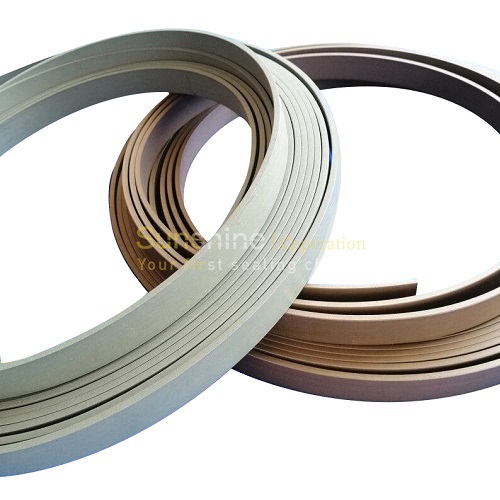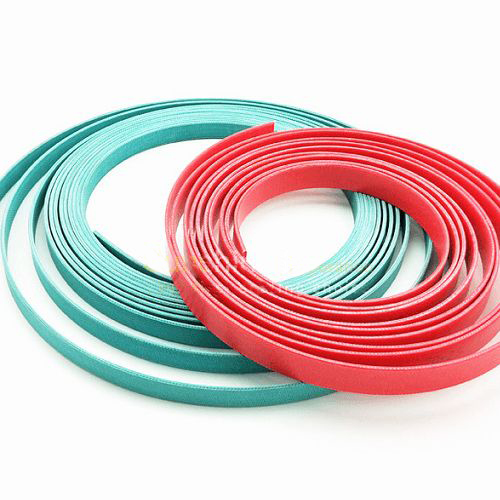
High-Performance Hydraulic & Pneumatic Seals for Industrial Applications
Hydraulic & Pneumatic Seals are critical components in fluid power systems, ensuring leak-free operation and optimal performance. Our premium quality seals are engineered to withstand extreme pressures, temperatures, and harsh operating conditions across various industries including automotive, aerospace, construction, and manufacturing.
Key Features of Our Hydraulic & Pneumatic Seals
- Material Composition: High-grade polyurethane, nitrile rubber (NBR), fluoroelastomer (FKM), and PTFE compounds
- Temperature Range: -40°F to +400°F (-40°C to +204°C) depending on material
- Pressure Rating: Up to 6000 psi (414 bar) for hydraulic applications
- Standard Sizes: Available from 0.125" to 24" in diameter
- Surface Finish: Optimized for 8-16 microinch Ra surface finishes
- Certifications: ISO 9001:2015, ASTM D2000, and RoHS compliant
Detailed Product Specifications
| Product Type | Material | Temp Range | Pressure Rating | Standard Colors |
|---|---|---|---|---|
| Piston Seals | NBR, FKM, Polyurethane | -30°C to +100°C | Up to 5000 psi | Black, Brown |
| Rod Seals | PTFE, Polyurethane | -40°C to +200°C | Up to 6000 psi | White, Black |
| Wiper Seals | NBR, Polyurethane | -30°C to +80°C | Up to 3000 psi | Black, Green |
| O-Rings | NBR, FKM, EPDM | -40°C to +120°C | Up to 1500 psi | Black, Red, Brown |
Hydraulic & Pneumatic Seals FAQ
Q: What is the difference between hydraulic seals and pneumatic seals?
A: Hydraulic seals are designed to handle higher pressures (typically above 1000 psi) and prevent fluid leakage in hydraulic systems. Pneumatic seals operate at lower pressures (usually below 250 psi) and are optimized for air systems. While some designs may look similar, hydraulic seals generally have more robust construction with reinforced materials to withstand the higher forces involved.
Q: How often should Hydraulic & Pneumatic Seals be replaced?
A: Replacement intervals depend on operating conditions, but general guidelines recommend inspection every 6 months and replacement every 1-3 years for standard applications. High-pressure or extreme temperature applications may require more frequent replacement. Signs of wear include increased leakage, visible damage to the sealing surface, or changes in system performance.
Q: Can the same seal work for both hydraulic and pneumatic applications?
A: Some universal seals are rated for both applications, but we generally recommend using purpose-designed seals. Hydraulic & Pneumatic Seals optimized for specific applications typically offer better performance and longer service life. Our technical team can help select the appropriate seal based on your system pressure, media, temperature, and cycling requirements.
Material Comparison Guide
| Material | Advantages | Limitations | Best For |
|---|---|---|---|
| Nitrile (NBR) | Excellent oil resistance, cost-effective | Limited temperature range | Hydraulic oils at moderate temps |
| Fluorocarbon (FKM) | High temp capability, chemical resistance | Higher cost, stiffer material | Aggressive fluids & high temps |
| Polyurethane | Excellent wear resistance, high pressure | Limited chemical compatibility | High-pressure hydraulic systems |
| PTFE | Low friction, wide temp range | Requires secondary energizer | Precision applications, low friction |
Installation Guidelines
- Always inspect the sealing surface for scratches or irregularities before installation
- Use proper installation tools to prevent seal damage
- Lubricate seals with compatible fluid during installation
- Ensure proper alignment of components
- Follow torque specifications for gland nuts or retaining bolts
- Perform initial pressure tests at low pressure before full operation
Hydraulic & Pneumatic Seals FAQ - Part 2
Q: What causes premature failure in Hydraulic & Pneumatic Seals?
A: Common causes include improper installation (40% of failures), contamination (30%), excessive pressure spikes (15%), incorrect material selection (10%), and thermal degradation (5%). Using quality seals, maintaining clean systems, and following proper installation procedures can significantly extend seal life.
Q: Are metric and imperial Hydraulic & Pneumatic Seals interchangeable?
A: While some sizes may appear similar, we strongly recommend using the exact specified size for your application. Even small dimensional differences (as little as 0.1mm) can significantly impact sealing performance and longevity. Our product line includes both metric and imperial sizes to meet all requirements.
Q: How do I choose between single-acting and double-acting Hydraulic & Pneumatic Seals?
A: Single-acting seals are designed to seal pressure from one direction only, while double-acting seals can handle pressure from both directions. Consider your cylinder design and operating conditions. Double-acting seals are generally preferred for most applications unless there are specific design constraints requiring single-acting seals.
Industry-Specific Applications
- Construction Equipment: Excavator cylinders, loader arms, hydraulic rams
- Manufacturing: Injection molding machines, press brakes, CNC equipment
- Aerospace: Landing gear, actuator systems, flight control surfaces
- Automotive: Brake systems, power steering, suspension components
- Marine: Hydraulic steering systems, hatch actuators, stabilizers
Custom Solutions
We offer custom-engineered Hydraulic & Pneumatic Seals for specialized applications. Our engineering team can develop solutions for:
- Extreme temperature applications (-100°F to +500°F)
- High-speed reciprocating motion (up to 3 m/s)
- Aggressive chemical environments
- Subsea and high-pressure applications (up to 15,000 psi)
- FDA-compliant and food-grade materials
Hydraulic & Pneumatic Seals FAQ - Part 3
Q: What surface finish is required for optimal Hydraulic & Pneumatic Seals performance?
A: The ideal surface finish depends on seal type but generally ranges from 8-16 microinches Ra for dynamic applications. Too rough (above 32 µin) causes excessive wear, while too smooth (below 4 µin) may prevent proper lubrication. We provide specific finish recommendations for each seal type in our technical documentation.
Q: How do environmental factors affect Hydraulic & Pneumatic Seals performance?
A: UV exposure can degrade some elastomers, while ozone attacks certain rubber compounds. Temperature fluctuations cause material expansion/contraction affecting seal interference. We offer specialized compounds with UV stabilizers, ozone resistance, and wide temperature capability for challenging environments.
Q: What's the lead time for custom Hydraulic & Pneumatic Seals orders?
A: Standard lead time for custom seals is 4-6 weeks, depending on complexity. We maintain an inventory of common materials and can expedite certain projects. Contact our sales team with your specific requirements for accurate lead time estimates and potential rush options.