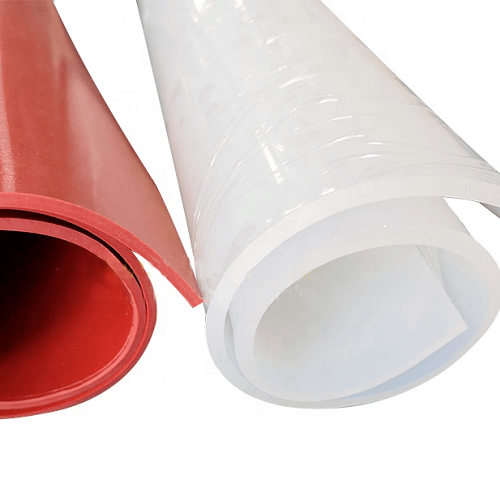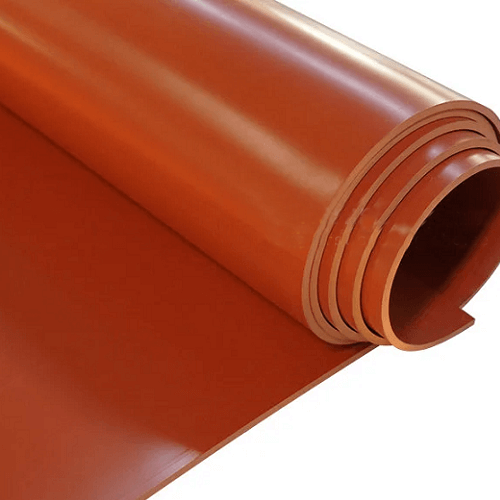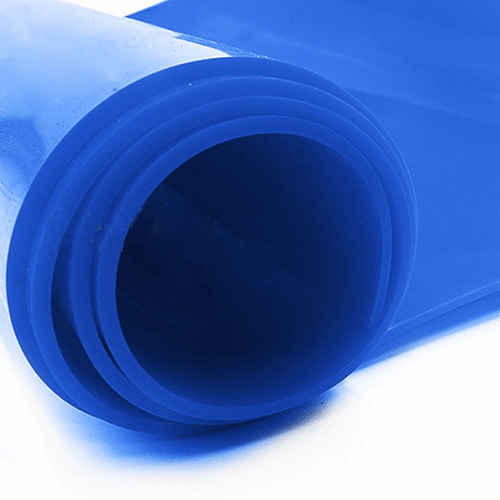
Silicone Rubber (VMQ)
When it comes to high-performance elastomers, Silicone Rubber (VMQ) stands out as a versatile material with exceptional properties. This synthetic rubber offers superior heat resistance, flexibility, and longevity compared to other rubber compounds, making it ideal for demanding applications across industries.
Key Features of Silicone Rubber (VMQ)
- Temperature resistance ranging from -60°C to 230°C (-76°F to 446°F)
- Excellent electrical insulation properties
- Superior ozone and weather resistance
- Low compression set for long-term sealing performance
- FDA compliant grades available for food contact applications
- Biocompatible options for medical applications
Technical Specifications
| Property | Value | Testing Standard |
|---|---|---|
| Hardness (Shore A) | 20-80 | ISO 868 |
| Tensile Strength | 4-12 MPa | ISO 37 |
| Elongation at Break | 100-800% | ISO 37 |
| Tear Strength | 10-40 kN/m | ISO 34-1 |
| Specific Gravity | 1.1-1.3 | ISO 1183 |
Common Applications
Silicone Rubber (VMQ) proves indispensable in numerous industries due to its unique combination of properties:
- Automotive: Gaskets, seals, vibration dampers
- Medical: Implants, tubing, respiratory masks
- Electronics: Keypads, connectors, insulation
- Food Processing: Seals, gaskets, conveyor belts
- Aerospace: Seals, vibration isolators
FAQ About Silicone Rubber (VMQ)
What makes Silicone Rubber (VMQ) different from other rubber types?
Silicone Rubber (VMQ) offers superior temperature resistance compared to organic rubbers like EPDM or Nitrile. While traditional rubbers degrade at high temperatures, VMQ maintains its properties from -60°C to 230°C. Additionally, it provides excellent electrical insulation and superior resistance to ozone, UV radiation, and weathering.
How does Silicone Rubber (VMQ) perform in medical applications?
Silicone Rubber (VMQ) is biocompatible, non-toxic, and resistant to sterilization methods, making it ideal for medical devices. It doesn't support microbial growth, maintains flexibility over time, and meets stringent FDA requirements for implantable devices and food contact applications.
What are the limitations of Silicone Rubber (VMQ)?
While Silicone Rubber (VMQ) excels in many areas, it has relatively low mechanical strength compared to some organic rubbers. It's also more expensive than traditional elastomers and has poor resistance to concentrated acids, alkalis, and some solvents. Tear strength can be lower than other rubbers unless specially formulated.
Special Grades and Custom Formulations
Our Silicone Rubber (VMQ) products are available in specialized formulations to meet specific requirements:
- Flame Retardant: UL94 V-0 compliant for electrical applications
- Conductive: For EMI shielding applications
- High-Tear Strength: For demanding mechanical applications
- Food Grade: FDA compliant for food contact surfaces
- Medical Grade: USP Class VI certified for biocompatibility
Environmental Resistance
| Environmental Factor | Resistance Level | Notes |
|---|---|---|
| Temperature | Excellent | Performs from -60°C to 230°C continuously |
| UV Radiation | Excellent | Does not degrade like organic rubbers |
| Ozone | Excellent | No cracking or degradation |
| Water | Excellent | Low water absorption |
| Steam | Good | Can withstand intermittent steam exposure |
With its exceptional properties and versatility, Silicone Rubber (VMQ) continues to be the material of choice for engineers and designers across multiple industries. Our extensive product range ensures you'll find the perfect formulation for your specific application requirements.