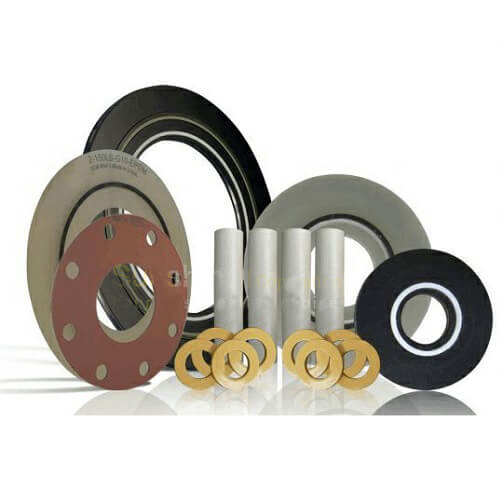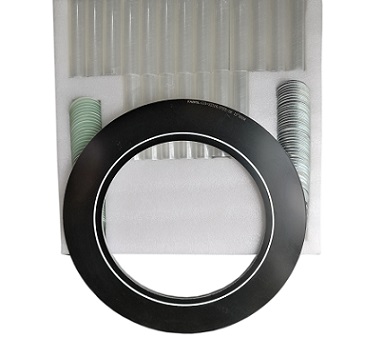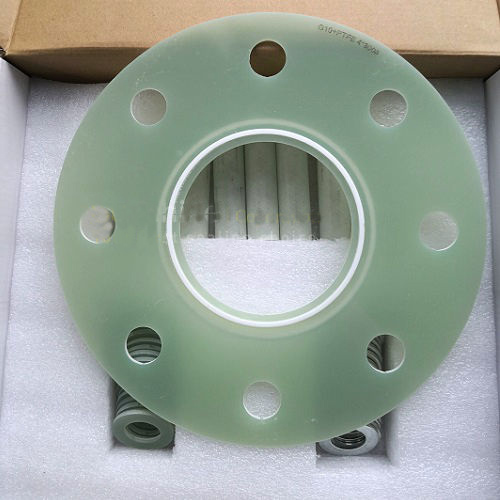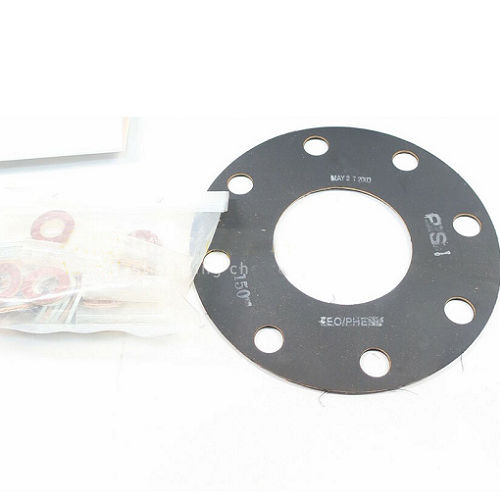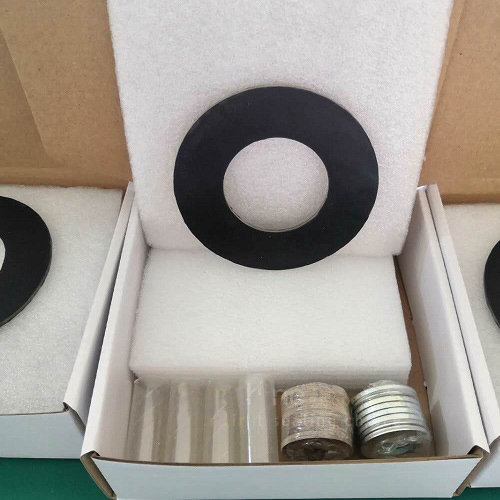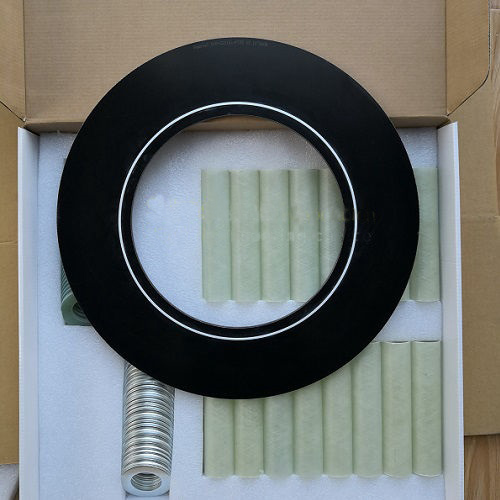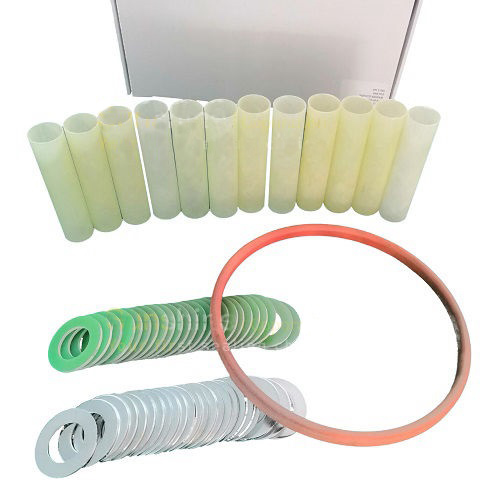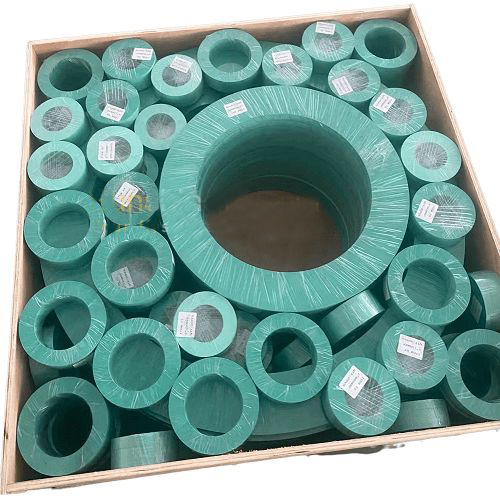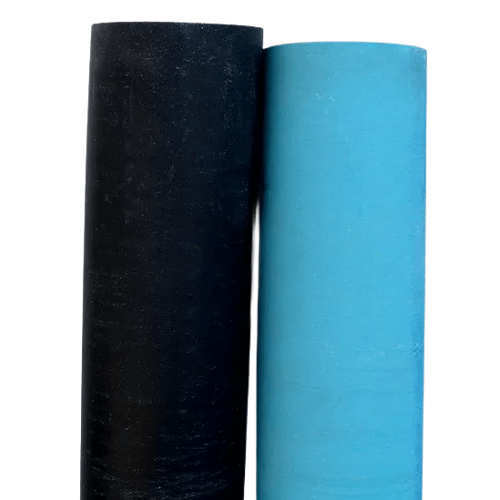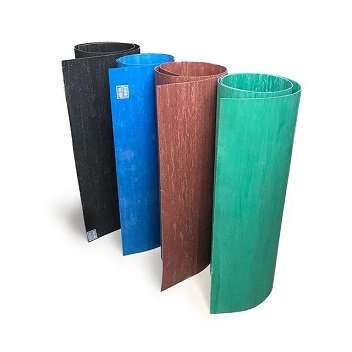
Non-Asbestos Gaskets
When it comes to industrial sealing solutions, Non-Asbestos Gaskets have become the preferred choice for safety-conscious industries. These high-performance gaskets offer exceptional durability without the health risks associated with traditional asbestos materials. In this comprehensive guide, we'll explore everything you need to know about Non-Asbestos Gaskets, including their specifications, applications, and benefits.
Key Features of Non-Asbestos Gaskets
- 100% asbestos-free composition
- Excellent resistance to high temperatures (up to 1000°F/538°C)
- Superior chemical resistance against oils, acids, and solvents
- Enhanced compression and recovery properties
- Low creep relaxation for long-term sealing performance
- Available in various thicknesses from 1/32" to 1/4"
Technical Specifications
| Parameter | Value | Testing Standard |
|---|---|---|
| Tensile Strength | 4,000 - 8,000 psi | ASTM F152 |
| Compressibility | 7-12% at 2,000 psi | ASTM F36 |
| Recovery | 45-60% | ASTM F36 |
| Temperature Range | -100°F to +1000°F | ASTM D471 |
| Density | 1.8 - 2.2 g/cm³ | ASTM D792 |
Non-Asbestos Gaskets Material Composition
Modern Non-Asbestos Gaskets are typically composed of:
- Aramid fibers (35-45%)
- Rubber binder (20-30%)
- Mineral fillers (25-35%)
- Reinforcement materials (5-10%)
Common Applications
Non-Asbestos Gaskets are widely used in:
- Oil and gas pipeline flanges
- Chemical processing equipment
- Power generation plants
- Marine engine systems
- Refinery applications
- Water treatment facilities
FAQ Section
Q: What are the main advantages of Non-Asbestos Gaskets over traditional asbestos gaskets?
A: Non-Asbestos Gaskets offer comparable performance to asbestos gaskets without the health hazards. They provide better chemical resistance in many applications, have superior temperature stability, and meet modern environmental and safety regulations. Additionally, they demonstrate improved creep resistance and maintain seal integrity longer under fluctuating pressure conditions.
Q: How do I determine the appropriate thickness for my Non-Asbestos Gasket application?
A: The ideal thickness depends on several factors including flange surface condition, bolt load, operating pressure, and temperature. As a general rule:
- 1/16" for smooth flanges and low-pressure applications
- 1/8" for standard industrial applications
- 1/4" for irregular surfaces or high-pressure systems
Q: Can Non-Asbestos Gaskets be used in food processing applications?
A: Yes, many Non-Asbestos Gaskets are FDA-compliant and suitable for food processing. However, you must specifically select gaskets that meet FDA 21 CFR 177.2600 standards. These food-grade versions use special binders and fillers that won't contaminate food products while maintaining the same excellent sealing properties.
Installation Guidelines
For optimal performance of your Non-Asbestos Gaskets:
- Clean flange surfaces thoroughly before installation
- Apply appropriate lubricant if specified by manufacturer
- Use proper torque sequence and values during installation
- Follow recommended re-torque procedures after initial heat cycles
- Inspect periodically for signs of wear or compression set
Industry Standards Compliance
Quality Non-Asbestos Gaskets typically meet or exceed:
- ASTM F104
- API 601
- DIN 3754
- BS 7531
- TA-Luft
By choosing Non-Asbestos Gaskets for your industrial applications, you're not only ensuring worker safety but also investing in a reliable, high-performance sealing solution that meets modern environmental standards. Their versatility across various industries and applications makes them an excellent choice for both routine maintenance and new installations.