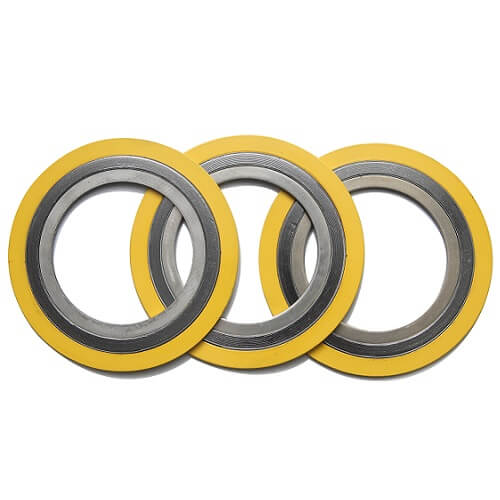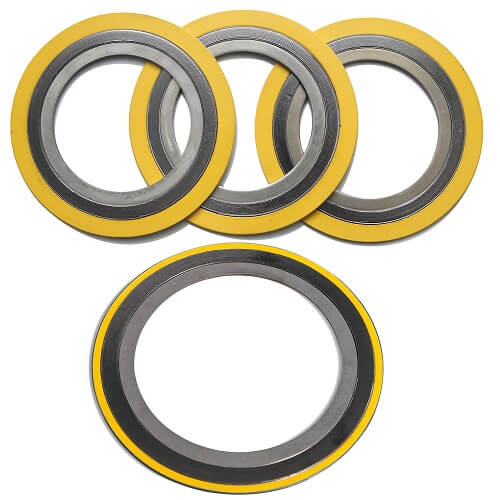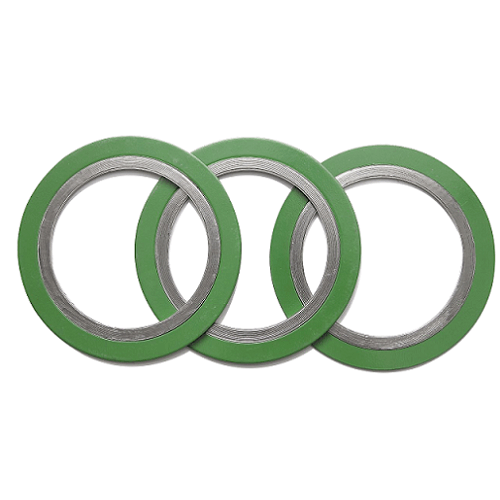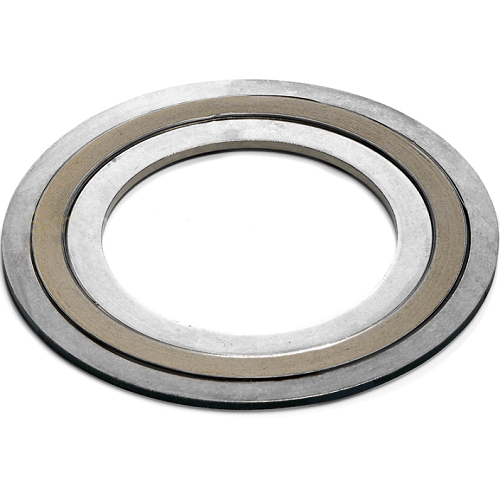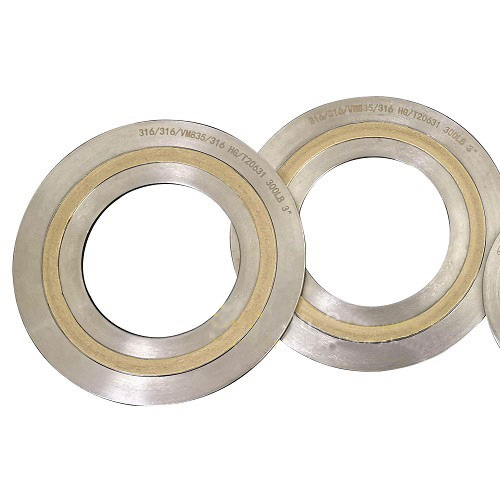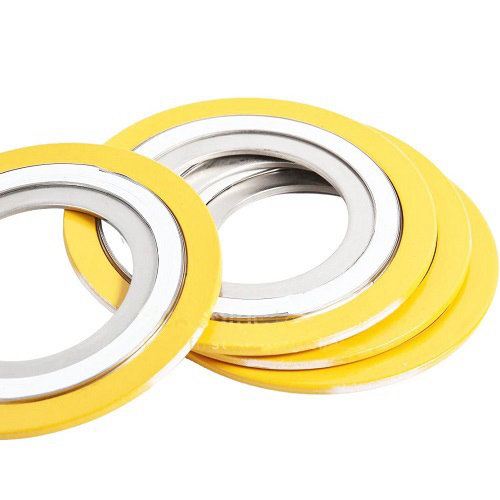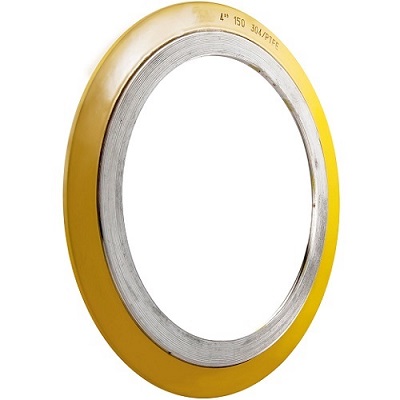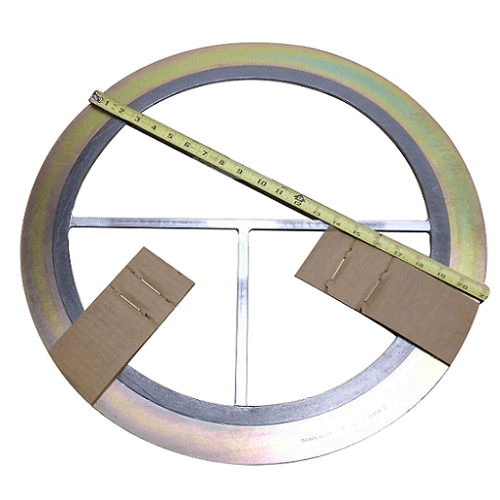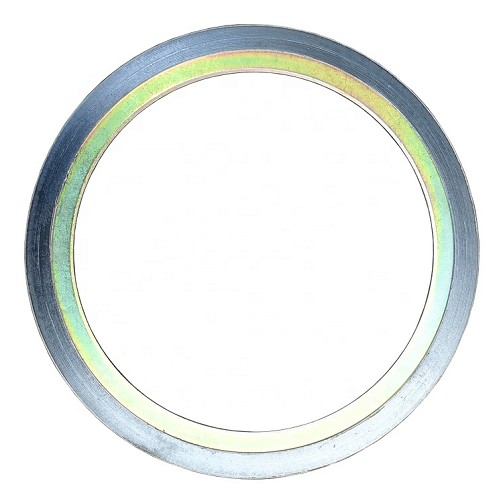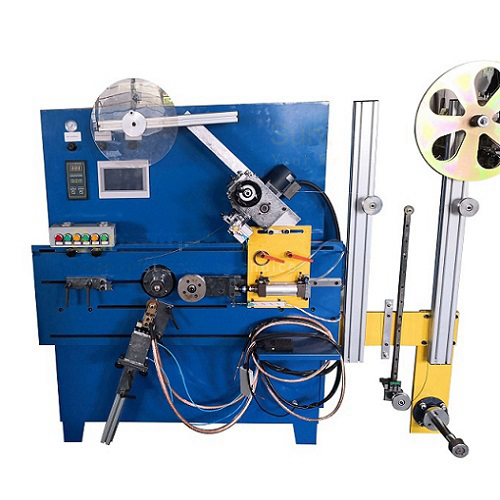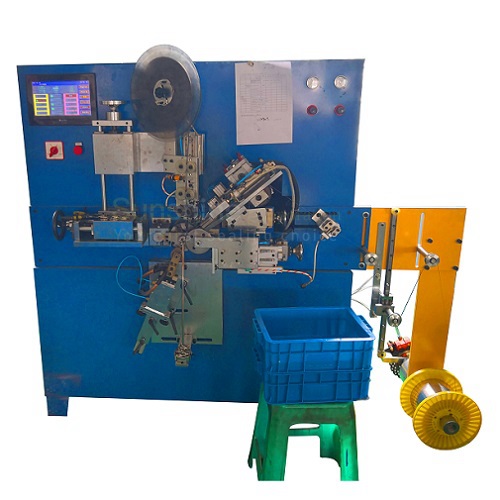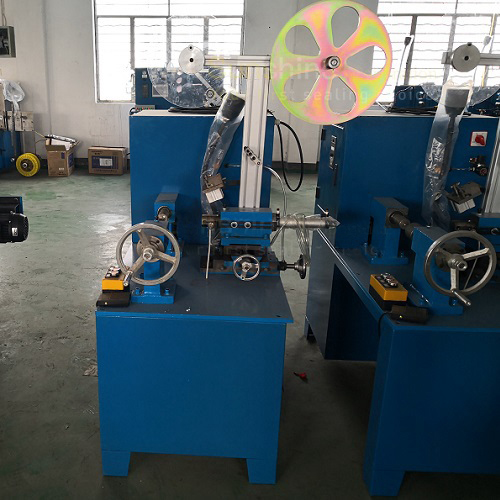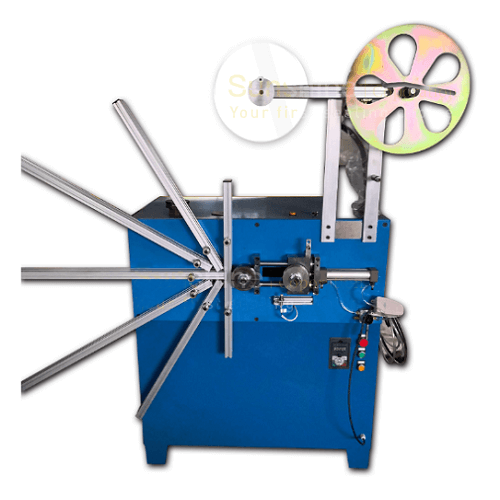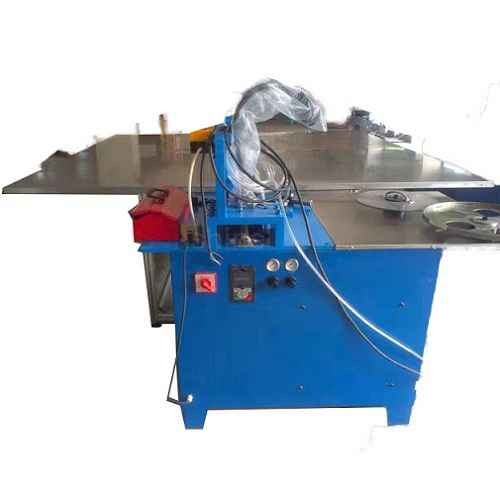
Spiral Wound Gaskets
Spiral wound gaskets are essential sealing solutions designed for high-pressure and high-temperature applications. These gaskets feature a unique construction combining metal winding strips with filler material to create a robust seal for flanged joints. As industry leaders in spiral wound gasket manufacturing, we ensure our products meet the highest quality standards for diverse industrial applications.
Key Features of Spiral Wound Gaskets
- Multi-layered construction for superior sealing performance
- Excellent resistance to extreme temperatures and pressures
- Available in various material combinations for different applications
- Conforms to major international standards (ASME, DIN, EN)
- Flexible design accommodates flange irregularities
- Long service life with minimal maintenance requirements
- Suitable for a wide range of media including corrosive fluids
Technical Specifications
| Parameter | Specification |
|---|---|
| Standard Sizes | 1/2" to 60" (DN15 to DN1500) |
| Pressure Rating | Up to 2500 psi (172 bar) |
| Temperature Range | -200°C to +800°C (-328°F to +1472°F) |
| Materials Available | SS304, SS316, Alloy 600, Inconel, with various fillers |
| Standards Compliance | ASME B16.20, DIN EN 1514, API 6A |
| Inner/Outer Ring Options | Carbon steel, stainless steel, or none |
Spiral Wound Gaskets - Frequently Asked Questions
Q: What makes spiral wound gaskets superior to other types of gaskets?
A: Spiral wound gaskets offer several advantages including excellent resilience, the ability to handle thermal cycling, and superior sealing performance under varying pressures. Their unique construction allows them to compensate for flange surface imperfections better than solid gaskets, while the combination of metal and filler materials provides both strength and sealing properties unmatched by other gasket types.
Q: How do I select the right material combination for my application?
A: Material selection for spiral wound gaskets depends on three primary factors: the media being sealed, operating temperature, and pressure conditions. For corrosive media, we recommend stainless steel windings with PTFE filler. High-temperature applications typically use graphite filler with appropriate metal windings. Our engineering team can assist with specific material recommendations based on your operating parameters.
Applications of Spiral Wound Gaskets
- Oil and gas pipelines and refineries
- Chemical processing plants
- Power generation facilities
- Petrochemical industries
- Marine and offshore applications
- HVAC systems
- Water treatment plants
Material Combinations
| Metal Winding | Filler Material | Recommended Applications |
|---|---|---|
| Stainless Steel 304 | Graphite | General purpose, high temperature |
| Stainless Steel 316 | PTFE | Corrosive chemicals |
| Monel 400 | Graphite | Marine environments |
| Inconel 625 | Graphite | Extreme temperature/pressure |
Installation Guidelines for Spiral Wound Gaskets
- Inspect flange surfaces for damage or imperfections
- Clean both flange surfaces thoroughly
- Ensure proper alignment of the gasket
- Use correct bolt tightening sequence and torque values
- Follow recommended re-torquing procedures
- Never reuse spiral wound gaskets after disassembly
Spiral Wound Gaskets - More FAQ
Q: Can spiral wound gaskets be used in cyclic temperature applications?
A: Yes, spiral wound gaskets are particularly well-suited for cyclic temperature applications. Their design allows for thermal expansion and contraction without losing sealing integrity. The metal winding provides spring-like characteristics that maintain constant pressure on the sealing surfaces even as temperatures fluctuate. However, material selection becomes crucial in such applications - graphite-filled gaskets generally perform better in cyclic conditions than PTFE-filled ones.
Customization Options
We offer complete customization for spiral wound gaskets including:
- Non-standard sizes to fit unique flange dimensions
- Special material combinations for exotic applications
- Custom inner and outer ring configurations
- Special coatings for additional corrosion resistance
- Identification tagging for traceability
Quality Assurance
| Test Parameter | Standard | Frequency |
|---|---|---|
| Material Certification | EN 10204 3.1 | 100% |
| Dimensional Check | ASME B16.20 | 100% |
| Compressibility Test | ASTM F36 | Batch |
| Sealing Performance | API 6A | Sample |
Spiral Wound Gaskets - Final FAQ Section
Q: What is the typical lifespan of a spiral wound gasket under normal operating conditions?
A: The service life of spiral wound gaskets varies significantly based on operating conditions, but typically ranges from 2-5 years in normal service. Factors affecting lifespan include temperature extremes, pressure cycling, media corrosiveness, and proper installation. Regular inspection during maintenance shutdowns is recommended to assess gasket condition. Signs of replacement need include visible compression set, filler material extrusion, or any leakage during operation.
Industry Standards Compliance
Our spiral wound gaskets comply with all major international standards:
- ASME B16.20 - Metallic Gaskets for Pipe Flanges
- API 6A - Wellhead and Christmas Tree Equipment
- DIN EN 1514 - Flanges and their joints
- PED 2014/68/EU - Pressure Equipment Directive
- NACE MR0175 - Sulfide Stress Cracking Resistance
For more detailed technical information about our spiral wound gaskets or to discuss your specific application requirements, please contact our technical support team. We provide comprehensive engineering support to ensure you select the optimal gasket solution for your unique operational conditions.