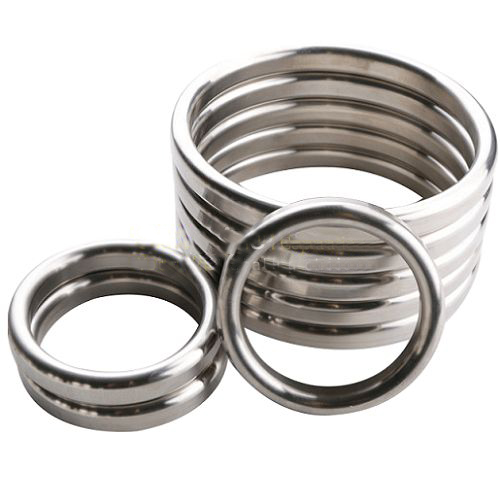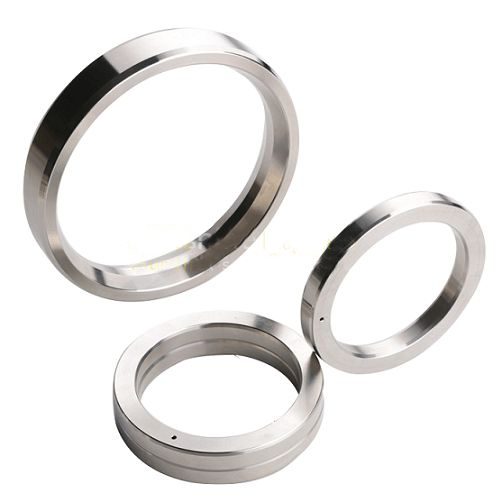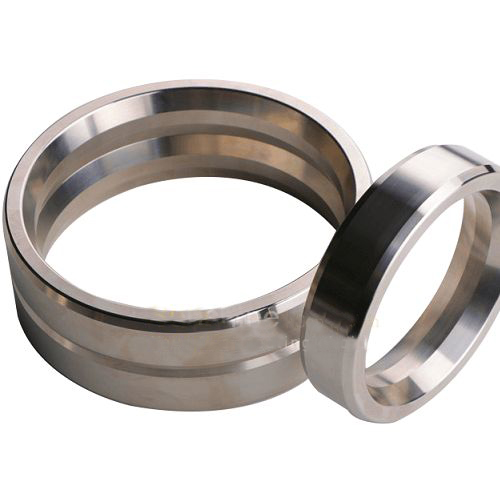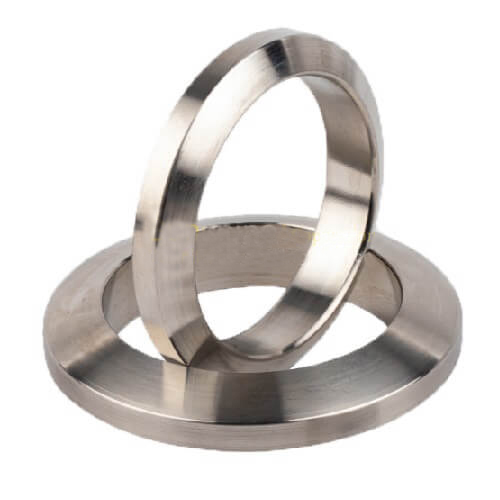
Ring Joint Gaskets (RTJ)
When it comes to high-pressure and high-temperature sealing solutions, Ring Joint Gaskets (RTJ) stand out as a reliable choice for industrial applications. These specialized gaskets provide superior leak-proof performance in critical environments such as oil and gas, petrochemical, and power generation industries. Engineered to withstand extreme conditions, Ring Joint Gaskets (RTJ) ensure long-term durability and safety.
Key Features of Ring Joint Gaskets (RTJ)
- Designed for high-pressure and high-temperature applications
- Available in various materials including soft iron, carbon steel, stainless steel, and exotic alloys
- Manufactured to meet ASME B16.20 and API 6A specifications
- Proven performance in flange connections for pipelines and pressure vessels
- Suitable for both R-type and RX-type ring grooves
Technical Specifications
| Parameter | Specification |
|---|---|
| Size Range | 1/2" to 24" nominal pipe size |
| Pressure Class | 150# to 2500# |
| Temperature Range | -50°F to 1200°F (-46°C to 649°C) |
| Material Grades | A105, A182 F304/F316, A350 LF2, Inconel 600/625, etc. |
| Surface Finish | 32 RMS or better |
Ring Joint Gaskets (RTJ) FAQs
What are the main advantages of using Ring Joint Gaskets (RTJ)?
Ring Joint Gaskets (RTJ) offer several key advantages including excellent sealing performance under extreme pressure and temperature conditions, resistance to creep relaxation, and compatibility with various flange designs. Their metal-to-metal sealing mechanism provides superior reliability compared to other gasket types in critical applications.
How do I select the right material for Ring Joint Gaskets (RTJ)?
Material selection for Ring Joint Gaskets (RTJ) depends on multiple factors including operating temperature, pressure, media being transported, and corrosion requirements. Soft iron is commonly used for standard applications, while stainless steel or nickel alloys are recommended for corrosive environments or higher temperature services.
What maintenance is required for Ring Joint Gaskets (RTJ)?
Ring Joint Gaskets (RTJ) generally require minimal maintenance due to their robust design. However, periodic inspections should be conducted to check for signs of wear, deformation, or corrosion. Always replace RTJ gaskets during system shutdowns as they are designed for single-use applications and should not be reused.
Installation Guidelines
Proper installation is crucial for optimal performance of Ring Joint Gaskets (RTJ):
- Thoroughly clean the flange faces and groove before installation
- Inspect the gasket for any defects or damage
- Apply a thin film of lubricant (when recommended by manufacturer)
- Align the gasket properly in the groove
- Follow the recommended bolting pattern and torque sequence
- Use a calibrated torque wrench for accurate bolt tightening
Quality Assurance
All Ring Joint Gaskets (RTJ) undergo rigorous quality control procedures including:
- Material certification and traceability
- Dimensional verification per ASME/API standards
- Surface finish inspection
- Hardness testing
- Visual and dimensional inspection of final product
Applications of Ring Joint Gaskets (RTJ)
Ring Joint Gaskets (RTJ) are widely used in:
- Oil and gas pipelines
- Refinery piping systems
- Chemical processing plants
- Power generation facilities
- High-pressure vessels and heat exchangers
Additional Ring Joint Gaskets (RTJ) FAQs
What is the difference between R-style and RX-style Ring Joint Gaskets (RTJ)?
R-style Ring Joint Gaskets (RTJ) are designed for standard pressure applications, while RX-style gaskets feature a pressure-energized design that provides better sealing at higher pressures. RX gaskets are typically used in more demanding applications and can sometimes be used as replacements for R-style gaskets in existing grooves.
Can Ring Joint Gaskets (RTJ) be used in sour service applications?
Yes, Ring Joint Gaskets (RTJ) can be manufactured from materials compliant with NACE MR0175/ISO 15156 standards for sour service applications. Special alloys like Inconel or duplex stainless steels are commonly used in these corrosive environments containing H2S.
How do I identify the correct Ring Joint Gaskets (RTJ) size for my application?
Ring Joint Gaskets (RTJ) size is determined by the flange size and pressure class. The gasket must match the ring groove dimensions specified in ASME B16.20 or API 6A standards. Always verify the flange specifications and consult the manufacturer's sizing charts to ensure proper fit and performance.
Ordering Information
When ordering Ring Joint Gaskets (RTJ), please provide the following details:
- Nominal pipe size
- Pressure class rating
- Material specification
- Type (R or RX)
- Quantity required
- Any special requirements or certifications needed
With their proven performance in critical applications, Ring Joint Gaskets (RTJ) remain the preferred choice for engineers and maintenance professionals worldwide. Their robust construction and reliable sealing capabilities make them indispensable in industries where safety and performance cannot be compromised.